
15 Smart wedding budget hacks to save thousands
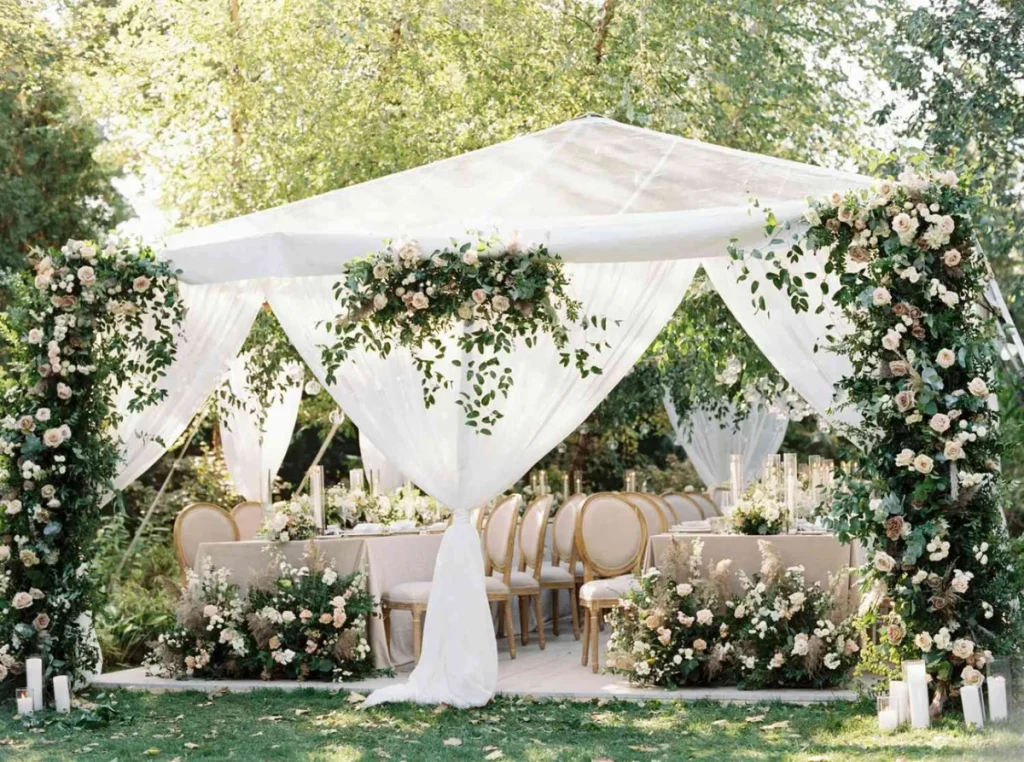
Looking to save money on your wedding without giving up the perfect day? You’re not alone. Reception costs usually take up about 50% of your wedding budget, making it the best place to look for savings.
Sign up for a free account on the IDoBudget.com wedding budget planning software to manage your finances without fuss.
Wedding planning costs can skyrocket quickly, but many couples miss some clever ways to save money. Midweek wedding packages could save you up to a third on reception costs. Venue fees drop by £4,000 when you pick non-Saturday dates. This explains why all but one of these couples now skip Saturday weddings – only 50% choose Saturdays, while 17% pick Fridays and 8% go for Sundays.
We’ve put together 15 budget-friendly wedding ideas that help manage costs while creating an unforgettable celebration. Smart guest list management (is your friend’s boyfriend worth £100 per head?) and thoughtful vendor negotiations could save you thousands of pounds. These practical money-saving tips will help you plan the wedding of your dreams affordably.
Set a Realistic Wedding Budget
Your wedding budget sets the foundation for all your planning decisions. British couples spend an average of £23,250 on their weddings. Smart financial boundaries will help you avoid overspending and save thousands of pounds.
What makes budgeting essential
A detailed budget will keep you from starting your marriage with debt and help you make smart choices throughout the planning. Most couples – about 51% – end up spending more than they planned, which adds unnecessary stress. Your budget will help you stay focused on what matters most instead of getting caught up in extras you don’t need.
How to create a wedding budget
You and your partner should have an open talk about money first. Look at these sources to figure out your total budget:
- Savings you can use now
- Money you can save each month
- Help from family members
- Ways to cut expenses and save more
Your budget breakdown should follow these typical wedding expense patterns:
- 35-50% goes to venue and catering
- 10% covers photography and videography
- 5-10% pays for flowers and décor
- 5% takes care of music and entertainment
- 5% is needed for wedding attire
Keep 10% of your total budget as backup money. This extra cushion will help cover any surprise costs that pop up during planning.
Tools to track your spending
Budget tracking has become easier with digital tools. Here are some popular choices:
WeddingWire and The Knot provide specialised wedding budget tools that organise your expenses and track what you’ve paid. Mint can connect to your bank accounts and give you immediate updates on your spending.
Many couples prefer spreadsheets for more control. Google Sheets lets you build custom tracking systems that you can share with your partner and anyone else helping to pay for the wedding.
The tool you pick matters less than how you use it. Check your budget at least monthly to stay on target and adjust your plans when needed.
Cut the Guest List Strategically
Your guest list stands out as one of the most effective tools to control wedding costs. Each additional guest significantly affects your final budget.
Why fewer guests save more
The numbers tell a compelling story. Couples who invite fewer than 30 guests typically spend under £10,000 on their wedding—55% less than the UK average. Those who host 150+ guests end up spending over £36,000, which runs 77% more than the national average. With each wedding guest costing around £261, cutting down your list can save you thousands.
Smaller guest lists lead to several cost benefits:
- More affordable, intimate venues
- Lower costs for invitations and favours
- Reduced decoration expenses
- Fewer centrepieces needed
How to trim the list without guilt
Your potential guest list should fall into these tiers:
- Tier 1: Immediate family and closest friends
- Tier 2: Extended family and close friends
- Tier 3: Acquaintances, colleagues, distant relatives
Ask these questions about guests in Tiers 2 and 3:
- Have you talked to them in the last year?
- Would you miss their presence on your special day?
- Do you see them in your life five years from now?
Smart approaches include hosting an adults-only celebration, giving plus-ones only to married or long-term couples, and not feeling pressured to reciprocate past wedding invitations.
Wedding ideas on a budget for small groups
Small weddings open doors to unique possibilities that larger gatherings can’t match:
- Elevated dining experiences: Skip standard catering packages for tasting menus or special wine pairings
- Custom touches: Add handwritten notes for guests or personalised welcome hampers
- More venue options: Beautiful spaces like art museums, restaurants, or historic buildings become possible
- Meaningful connections: You’ll cherish actual conversations from your wedding day instead of a rushed blur
A smaller celebration lets you focus your resources on creating extraordinary moments for the people who matter most in your life.
Sign up for a free account on the IDoBudget.com wedding budget planning software to manage your finances without fuss.
Choose an Off-Peak or Weekday Date
Smart wedding date choices can slash your costs without compromising quality. Your chosen day and month will significantly affect your overall budget.
Benefits of off-season weddings
Off-season weddings bring more perks than just saving money. Venues and vendors have more open dates during these times. You’ll get your top-choice suppliers who might be booked solid years ahead during peak season. The competition for dates drops significantly, and you’ll enjoy a more relaxed planning process with shorter waiting times.
Your guests are more likely to attend since your wedding won’t clash with other events. The atmosphere at off-peak celebrations can be magical—winter weddings create cosy, intimate moments with romantic candlelight.
How much you can save
Date flexibility can save you serious money. Couples save 20-40% on their total wedding costs by picking off-peak dates. Many venues cut their rates by 30-50% during slower months, with some couples saving up to 65%.
A Saturday wedding in August at one venue costs £8,050, while the same venue charges just £4,050 for a Saturday in February—that’s £4,000 less. Weekday weddings help your budget too, with Thursday weddings costing 5.7% below the national average.
Best months and days to consider
Research shows these months are easiest on your wallet:
- January (9.4% below national average)
- December (6.4% below national average)
- November (4.8% below national average)
Thursday stands out as the most affordable day, with Wednesday and Sunday close behind. This trend keeps growing—2023 marked the first year where Saturday weddings made up less than half of all ceremonies.
Luxury venues show dramatic price differences too. One high-end venue charges £20,950 for a Saturday summer wedding, yet the same package costs just £8,500 Monday through Wednesday—saving you £12,450.
Combine Ceremony and Reception Venues
Couples often miss a clever way to save money – hosting their ceremony and reception at one venue. This efficient approach makes planning easier and helps cut costs.
Why this saves money
Using one location for your entire wedding day brings real financial advantages. You’ll only need to pay a single venue fee instead of two separate costs. Many places even offer special package deals when you book both ceremony and reception together.
You’ll save money on:
- Decoration costs: Your ceremony flowers and décor can do double duty at the reception, which cuts your decoration budget
- Transportation expenses: No need to arrange transport between different locations
- Time costs: Without travel time between venues, you get more time for photos and guest interaction
Wedding venues that host both events know how to transform the space naturally while your guests enjoy cocktail hour.
Logistics to think over
The advantages are clear, but good planning is vital. If you use one room for both events, your guests need entertainment during the room changeover. The best option is to book a venue with separate spaces for ceremony and reception.
Make sure you have a backup plan for outdoor ceremonies if weather turns bad. You should also check if your venue has a licence for civil ceremonies, as not all reception spaces have this permission.
Vendor coordination tips
One venue makes managing vendors much easier. You’ll only need one point of contact instead of dealing with multiple site managers. Good communication with all suppliers remains important.
When booking vendors:
- Let them know everything happens at one place
- Talk about their role in the ceremony-to-reception transition
- Discuss flower arrangements that work for both events
- Plan with caterers for cocktail hour setup during the room change
Many venues have their own wedding coordinators who help with these transitions, which makes planning much simpler.
Buy a Sample or Second-Hand Dress
A wedding dress can be the biggest expense in your wedding budget, but you’ll wear it just once. The good news? Sample and second-hand dresses give budget-conscious brides a smart way to save money.
Where to find sample sales
Bridal boutiques sell their display gowns at sample sales to make space for new collections. These dresses come with amazing discounts – 50-70% off original prices, helping you save up to £2,884. Here’s where you can find sample and pre-loved dresses:
- Dedicated sample sale events happen 2-3 times a year at bridal boutiques
- Charity shops with bridal sections like Oxfam and British Red Cross sell dresses starting at £50
- Online platforms like Bride2Bride
- Specialised pre-loved boutiques such as Bridal Reloved focus only on sample and designer second-hand gowns
Pros and cons of second-hand dresses
Pros: Sample dresses let you take them home right away – perfect if your wedding date is less than 4 months away. You’ll save money and support environmentally responsible fashion by giving these beautiful gowns a second life. You might even score a designer dress that would normally be out of reach.
Cons: Most sample gowns come in sizes 10-12, so you might need alterations. Some dresses show slight wear from store try-ons. Unlike made-to-order gowns, you can’t customise the original design – what you see is what you get.
Wedding dress budget tips
Remember to include alteration and cleaning costs in your budget. Sample dresses can usually be taken in by several sizes, so don’t shy away from dresses one or two sizes larger. Brides with tight schedules can skip the usual 6-9 month wait for made-to-order gowns.
Look closely at any pre-loved dress to spot stains, tears or missing decorations before buying. If you’re shopping online, ask for clear photos of any flaws and read the return policy carefully.
Use Digital Invitations and RSVPs
Digital wedding invitations offer a smart way to plan your wedding that saves money and helps the environment. Today’s couples accept e-invites as a sophisticated alternative to paper invitations.
Cost comparison with printed invites
Paper and digital invitations show a remarkable cost difference. Traditional paper invitation packages cost couples between £317.66-£516.20. The total rises to £595.62 or even £1,191.20 when you add save-the-dates, printing costs and postage. Digital invitations cost about £79.42. This means you could save hundreds of pounds.
Specific pricing examples include:
- Greenvelope: From £15.09 for up to 20 people
- Joy: Completely free
- Paperless Post: Options starting from £1.00-£2.00 per invite
- Bliss & Bone: Around £0.71 per recipient for 10-300 guests
- Etsy: Templates available from as little as £1.59
Best platforms for digital invites
Several platforms give you elegant digital invitation options with different features:
Joy helps budget-conscious couples with free wedding websites and invitations that track RSVPs. Paperless Post teams up with designers like Kate Spade and Oscar de la Renta to create luxury digital invites.
Greenvelope tracks RSVPs and includes personalised envelope features for those who want premium options. Canva lets you customise free templates with animations.
How to make them look elegant
Your digital invitations start with a high-quality design. Premium templates on many platforms look just like traditional stationery, complete with textured backgrounds and dimensional effects.
Animations can lift your design with moving elements or text that appears step by step. Custom colours, digital envelope liners, and personalised fonts create a luxury feel without the high cost.
A QR code on your digital invitation links guests to your wedding website and creates a smooth experience. You can share details about accommodation, directions and gift priorities without making your invitation look crowded.
Repurpose Ceremony Flowers
Wedding couples spend much of their budget on floral arrangements that often last just a few hours. You can save hundreds of pounds by reusing your ceremony flowers throughout your special day.
How to reuse florals creatively
Your ceremony and reception should happen at the same venue to make flower repurposing work best. Pew ends and aisle decorations are versatile pieces that work well as chair decorations at your top table or as elegant centrepieces in bud vases. You can easily move large ceremony arrangements in plastic designer dishes to welcome tables, buffet areas, or next to the DJ booth.
Those beautiful floral urns that frame your ceremony space can become striking statement pieces behind your sweetheart table or cake display. Some ceremony arrangements look stunning on tall stands as reception table centrepieces and create dramatic focal points.
Examples of dual-purpose arrangements
These floral elements naturally serve double-duty:
- Bridesmaid bouquets – Place these in vases around the reception as extra décor points or turn them into table centrepieces after photos
- Ceremony backdrop pieces – A floral arch or moon gate becomes a beautiful photo booth backdrop or frames your cake table
- Aisle meadows – These floor arrangements look stunning when moved to accent long banquet tables or placed around your bar area
Florist coordination tips
Talk to your florist about reusing flowers early in the planning process. Many florists offer a dedicated “turn-around service” to move arrangements between ceremony and reception. This way, your flowers will look fresh throughout the day.
Ask reliable friends or family members to handle specific moving tasks if you’re not using professional help. On top of that, it helps to think over practical logistics—aisle arrangements might be wet and need plastic wrapping or towels before placing them on fancy linens.
Reusing your wedding flowers saves money and helps the environment, making this approach both budget-friendly and eco-conscious.
Limit Bar Options or BYOB
Your wedding reception’s bar tab can become a major expense. Alcohol typically takes up 8-20% of your total budget. A reception with 150 guests might need around £3,573.72 just for beverages.
How to keep wedding costs down on alcohol
Here are some smart ways to manage your bar expenses:
- Limited bar: A curated selection of wines, beers and a few signature cocktails works better than a full open bar
- Signature cocktails: Two personalised “his and hers” drinks help limit the spirits you need
- Time restrictions: The full bar service can run during cocktail hour, then switch to beer and wine at the reception
- Skip pre-ceremony drinks: The reception is the best time to serve alcohol and helps reduce overall consumption
Best budget-friendly drink options
These elegant yet affordable options make sense:
- Batch cocktails: Large batches of popular drinks like margaritas or mojitos are cost-effective
- Bubbly bar: Prosecco costs less than champagne and pairs well with various juices and garnishes
- Local focus: Regional breweries and wineries add a personal touch at a lower price point
- DIY stations: “Build-your-own” Pimms or gin and tonic setups reduce your staffing needs
Legal and venue considerations
Your venue’s alcohol policy needs careful review—many places have specific restrictions or licence requirements. BYOB venues can save you thousands, though some charge corkage fees. Home weddings need fewer permits for BYOB, but special event insurance might cost around £139.
The “one drink per person per hour” rule helps calculate quantities accurately. Most vendors let you return unopened bottles for refunds, so it’s worth asking.
Opt for a Buffet or Food Truck
Food service gives you a great chance to save on your wedding budget while keeping your guests happy. Traditional plated dinners cost more, but buffets and food trucks are excellent alternatives.
Why it’s cheaper than plated meals
The savings mainly result from needing fewer staff members. Buffets need only half the servers compared to plated service. Caterers prepare 20% more food for buffets to keep all guests satisfied. The reduced labour costs lead to significant savings. Many couples save at least £10 per guest by choosing buffets.
Popular budget-friendly catering ideas
These options give you the best value:
- Food trucks: Cost between £8-£12 per person for mains
- Taco bars: Budget-friendly options that guests love to customise
- Pizza stations: Crowd favourites that work for different diet needs
- Pasta bars: Guests pick their favourite sauce and toppings
Guest experience tips
One buffet table serves 50 guests comfortably. Double-sided buffets let twice as many people fill their plates at once, which cuts down waiting time. Food trucks work best with a limited menu to speed up service. You might want to book two food trucks—serving either different cuisines or the same menu—to split the lines.
Buffets do more than save money. They create a laid-back atmosphere where guests can mix and match their food choices while socialising.
Skip the Save-the-Dates
Save-the-date cards are a wedding expense that couples can easily cut from their budget without impacting their special day.
Why they’re not essential
You don’t need to send save-the-dates – they’re completely optional in wedding planning. Many couples skip them to save money since printing and postage can get expensive quickly. Skipping these cards comes with extra perks too. You won’t lock yourself into a guest list too early. The time you save can go toward other wedding plans. Couples with flexible wedding dates can grab last-minute venue deals they might miss otherwise.
Alternatives to think about
The digital world offers economical solutions to spread the word without formal save-the-dates:
- Digital announcements – Email or social media updates work great and don’t cost a thing
- Wedding websites – A simple site with your wedding details lets you share one link with everyone
- Personal phone calls – This works beautifully for smaller, intimate weddings
- Digital save-the-dates – Platforms like Joy give you free paperless options if you want something more formal
How to notify guests early
When you skip save-the-dates, send your formal invitations earlier than usual – about 10-12 weeks before your wedding instead of the typical 6-8 weeks. Destination weddings or peak season dates need about 3 months’ notice so guests can plan properly. A private Facebook event or group makes a great spot to share details and answer questions. Just make sure guests who need to travel get plenty of notice, no matter how you choose to tell them.
Use a Single Insert for Invitations
Traditional wedding invitation suites come with multiple cards—invitations, accommodation details, RSVP cards, and directions. These components make printing and postage costs increase faster. You can keep wedding costs down by simplifying to a single insert with your core information.
How to simplify your suite
Your traditional multi-card suite can become one elegant card that features just the important information—names, date, time, and venue. A single line can direct guests to your wedding website for additional details. This simple change saves money on paper and printing while reducing postage costs because lighter envelopes need less postage.
What to include on your wedding website
The wedding website becomes your information hub that covers everything that won’t fit on your invitation. The website works perfectly to share:
- Registry details (which etiquette experts advise against including on formal invitations)
- Accommodation recommendations and hotel block information
- Transportation options and parking instructions
- Timeline of events
- Dress code guidance
QR code tips
QR codes have become more popular among couples, with 38% using them on invitations in 2023, up from 20% in 2022. Your QR code should be at least one-inch square to work best. Clear instructions like “Scan to visit our wedding website” help guests understand what to do. Remember to include the full URL as a backup option.
Rent or Borrow Decor and Attire
Wedding decor can be expensive to buy and a pain to store after the big day. Smart couples choose to rent or borrow items. This approach can help you save thousands on your special day.
Where to rent wedding items
The UK has many wedding rental companies that match every style and budget:
- Decor specialists like Essential Wedding Hire have affordable collections that work great for both indoor and outdoor events
- Eco-friendly services like 4YaParty focus on green wedding decor and create many items by hand from recycled materials
- Full-service providers take care of delivery, setup and cleanup after your event, so you won’t need to worry about logistics
Large items like lounge furniture, wooden ceremony arbours, and candles make perfect rental choices. These would take up too much space to store after your wedding anyway.
What to borrow from friends/family
Your friends and family can help make your wedding special by lending meaningful items:
- Heirloom pieces such as vintage cloth napkins, embroidered handkerchiefs or family silverware add a personal touch to your tables
- Something borrowed can include jewellery, accessories, or even cars from people you love
- Decorative elements like birdcages, candle holders, or vases work beautifully as envelope collectors or table centrepieces
Eco-friendly and budget-friendly benefits
Rental items help both the environment and your wallet. Wedding decor rentals cut down on waste because rental companies reuse and recycle their inventory regularly.
The cost savings make sense too. Rentals usually cost much less than buying new items. You’ll also avoid the hassle of cleaning, fixing, and finding storage space for things you probably won’t use again.
DIY One Key Element
A single DIY wedding project can help you save money without stress. Pick a project that makes a big difference and matches what you’re good at.
Best DIY projects for weddings
These projects can make a real difference:
- Signage: Garden centres often give away wooden pallets that turn into beautiful welcome signs with just some paint
- Favours: Your own homemade jam, candles or hangover kits cost less than £1 per guest compared to £3 for store-bought ones
- Lighting: Mason jars filled with string lights create a magical evening atmosphere at little cost
- Table plans: Old mirrors, wooden crates or suitcases transform into unique seating displays
How to avoid DIY overwhelm
Doing everything yourself can burn you out. Here’s what works better:
- Plan monthly DIY sessions with friends – add wine, music and make it fun
- Begin your projects 3-6 months before the wedding
- Let friends and family help with tasks that match their talents
Wedding money saving tips through creativity
Smart DIY choices can serve multiple purposes:
- Potted herb centrepieces double as guest favours
- One digital template works for all paper items (menus, place cards, programmes)
- QR codes on handmade items can link to your wedding website
Smart planning means comparing material costs with professional prices. Sometimes simple store-bought items cost less than complex DIY projects.
Ask Talented Friends for Help
Your friends’ unique skills can slash wedding costs and add a personal touch to your celebration. Smart handling of their talents needs tact and appreciation to keep relationships strong.
What tasks friends can help with
Friends with musical gifts might perform at your ceremony or reception. Creative ones could help design wedding decor, unique table plans or signage. Talented bakers might add to your dessert table or maybe even create your wedding cake. Friends who know tech can manage social media, set up a hashtag or take more photos.
Your friends can help on the big day by:
- Collecting and repurposing decor items
- Taking care of guest book or cake distribution
- Handling last-minute vendor payments
- Helping out-of-town guests with transport
How to approach them
Clear communication works best—tell them exactly what you need and how much time it will take. Ask questions instead of making demands: “Could you help with xyz before this date? It should only take about x hours”. Your friends should always have a chance to say no gracefully if they can’t help.
Making it meaningful
Simple gestures show your gratitude—buy dinner during DIY sessions or write heartfelt thank-you notes. Their help counts as their gift, so don’t expect both assistance and a present. Note that friends who help aren’t just guests anymore—respect their dual role so they can still enjoy your celebration.
Negotiate with Vendors
Smart negotiations with wedding vendors can reduce your final costs substantially without quality loss. Your understanding of flexible aspects helps create arrangements that benefit everyone.
What’s negotiable and what’s not
Vendors have fixed hard costs—business licences, insurance, staffing, and materials—that cannot be reduced. Many professionals can adjust their service structure instead of offering across-the-board discounts. Photographers might accommodate shorter coverage times instead of lowering their hourly rate. Weddings on weekdays or off-peak dates provide better negotiation opportunities because vendors see lower bookings during these periods.
How to ask for discounts
You should approach conversations with respect and empathy—note that you’re speaking with ground people who depend on this work for their livelihood. Use phrases like “I love your work and my budget is around X. Could we customise options to help me stay closer to this figure?”. The focus should be on adjusting scope rather than requesting price cuts. Your upfront communication about budget constraints allows vendors to suggest creative solutions that work for both parties.
Bundling services for savings
Multiple service bookings from a single provider typically offer substantial discounts—up to 18% off standard rates. Popular combinations include:
- Photography paired with videography
- DJ services with photo booths and lighting
- Planning services with day-of coordination
These packages eliminate multiple travel fees, setup charges, and overtime rates that add up quickly when hiring separate vendors. Bundling makes your planning process simpler and reduces the number of supplier relationships you need to manage.
Saving hacks
| Budget Hack | Potential Savings | Key Benefits | Important Considerations |
|---|---|---|---|
| Set a Realistic Budget | Not specified | Stops overspending and helps find ways to save | Budget split: 35-50% venue/catering, 10% photography, 5-10% flowers, 5% music, 5% attire |
| Cut Guest List | £261 per guest | Spend 55% less with under 30 guests vs average | Create guest groups and review relationships that matter |
| Choose Off-Peak Date | 20-40% overall; Up to £4,000 on venue | Less competition and better guest turnout | Best deals: January, December, November; Thursday costs least |
| Combine Venues | One venue fee vs two | Reuse decor and save on transport | Need backup plan for weather; Check civil ceremony permit |
| Buy Sample Dress | 50-70% off retail | Get it right away and access designer styles | Sizes usually 10-12; Alterations might be needed |
| Digital Invitations | £238-£437 savings | Track RSVPs easily and help environment | Costs range from free (Joy) to £79.42 average |
| Repurpose Flowers | Not specified | Use multiple times during day and stay eco-friendly | Work with florist and have help ready |
| Limit Bar Options | Part of 8-20% alcohol budget | Keep costs in check while staying festive | Review venue rules and extra fees |
| Buffet/Food Truck | £10+ per head vs plated | Need fewer staff and more menu choices | Plan one buffet per 50 guests and manage lines |
| Skip Save-the-Dates | Printing + postage costs | More guest list flexibility and time saved | Send invites 10-12 weeks early instead |
| Single Insert Invitation | Not specified | Less printing/postage and easier planning | Add QR code that links to wedding website |
| Rent/Borrow Décor | “Thousands” mentioned | No storage issues and eco-friendly approach | Check delivery and pickup costs |
| DIY One Element | £2+ per favour | Add personal style and maintain control | Begin 3-6 months early and total material expenses |
| Ask Talented Friends | Not specified | Personal details and various skills available | Make clear requests and show thanks |
| Negotiate with Vendors | Up to 18% with bundling | Custom packages and flexible choices | Adjust scope rather than just cutting prices |
Budget wedding planning
Planning a special wedding without emptying your bank account might seem tough at first. But smart choices can save thousands while creating the celebration you’ve always wanted.
Sign up for a free account on the IDoBudget.com wedding budget planning software to manage your finances without fuss.
These 15 money-saving tricks show that meaningful weddings don’t need huge budgets. Small changes in your planning can lead to big savings. Taking 10 guests off your list could save you £2,600 based on average costs per person. A Thursday wedding instead of Saturday might slash thousands off venue prices.
Finding what matters most to you makes all the difference. You might value amazing photos more than fancy flowers, or want to spend more on food and less on invitations. Each couple’s priorities are different, so your budget should match what you truly care about.
Wedding vendors help budget-conscious couples every day. They know creative ways to keep quality high and costs low. Your friends and family often love to help with their talents too. These personal touches mean more than anything money can buy.
The wedding industry pushes the idea that perfect celebrations need expensive extras. Notwithstanding that, many couples create beautiful, unforgettable days without starting their marriage in debt. Your wedding is just one day – special yes, but one of many in your life together.
Begin your experience with smart money choices and you’ll be grateful long after the music stops. The most memorable weddings shine through real moments and deep connections with loved ones.
FAQs
Q1. What is the 30-5 rule for weddings? The 30-5 rule suggests adding 30 minutes of buffer time to each major part of your wedding day, such as getting ready, the ceremony, or cocktail hour. It also recommends being prepared 5 minutes before any significant moment to ensure smooth transitions and reduce stress.
Q2. How can I save the most money on my wedding? To maximise savings, consider cutting your guest list, choosing an off-peak date or weekday, combining ceremony and reception venues, opting for a buffet or food truck catering, and using digital invitations. These strategies can significantly reduce costs without compromising the quality of your celebration.
Q3. Is £20,000 enough for a wedding? £20,000 is certainly enough for a beautiful wedding. While the average UK wedding costs around £23,250, many couples create memorable celebrations for less. By prioritising what’s most important to you and implementing smart budget hacks, you can have a wonderful wedding day within this budget.
Q4. How can I make the most of a £5,000 wedding budget? With a £5,000 budget, focus on the essentials. Consider an intimate ceremony with close family and friends, opt for a non-traditional venue like a park or community hall, use digital invitations, enlist talented friends for services like photography or music, and choose a buffet or potluck-style meal. Prioritise what matters most to you as a couple.
Q5. What are some creative ways to cut wedding costs? Get creative by repurposing ceremony flowers for the reception, renting or borrowing décor instead of buying, choosing a sample or second-hand wedding dress, limiting bar options or considering BYOB if allowed, and DIYing one key element like favours or signage. These approaches can lead to significant savings without sacrificing style or sentiment.